Don’t hire the Janitor, hire the Fire Marshal
When an incident hits, you want specialists who know how to handle chaos, not generalists who tidy up after the fact. A fire marshal is trained to assess danger, control the spread, stabilize the environment, and protect lives and assets under pressure. Incident response demands that same level of expertise.
You need professionals who understand attacker behaviour, escalation paths, forensic preservation, containment strategies, and the complex interplay of systems under active compromise. This is not the time for guesswork or routine maintenance workflows. It is the time for decisive action rooted in experience, methodology, and deep technical understanding.
Every hour an intruder goes uncontained widens the blast radius: more systems encrypted, more data exposed, and a longer, costlier road back to normal operations. The right response at the right moment is what keeps a security event from becoming a business one.
The PICERL Incident Response Lifecycle
We follow the industry-standard PICERL lifecycle. It is a proven, repeatable framework that takes an incident from first alert to lasting improvement. River leads the hands-on phases, highlighted below.
- 1Your team
Preparation
Playbooks, access and 24/7 responders in place before an incident ever hits.
- 2Your team
Identification
Detect the anomaly, validate that it is real, and scope how far it reaches.
- 3River Security
Containment
Isolate affected systems to stop the spread while evidence is preserved.
- 4River Security
Eradication
Remove the foothold and root cause so the threat cannot simply return.
- 5River Security
Recovery
Restore clean systems to production and monitor closely for any resurgence.
- 6River Security
Lessons Learned
Review what happened and feed concrete improvements back into preparation.
Your team owns preparation and identification. We stand with you from containment through lessons learned, and every incident makes the next response faster.

24/7 Experts on Stand-By, Ready to Deploy
Speed decides the outcome. The gap between detection and response is where a contained incident turns into a full-scale crisis. That is why our responders engage immediately, not next week and not after internal approvals slowly churn. Having 24/7 experts on stand-by means seasoned professionals step in the moment an anomaly surfaces, validate the threat, and begin containment before the attacker gains momentum. You get instant access to people who live and breathe incident response, who know the pressure, and who are trained to make the right calls fast.
Always-on readiness also means continuity. No matter the time zone, holiday, or workload, you have a dedicated team prepared to deploy tools, escalate decisions, communicate with stakeholders, and guide your internal teams through every critical step. This level of availability transforms chaos into controlled action. It gives leadership confidence, reduces business impact, and puts your organization on the front foot, even during the most unpredictable moments.
Andreas Claesson
Principal Penetration Tester
Dark Web Hunting When It Matters
Some incidents don’t end at containment. When an intrusion involves stolen data, leaked credentials, or an extortion threat, we support the response with targeted dark web hunting — tracing whether your data, accounts, or access are being traded or exposed on criminal forums and marketplaces. That intelligence sharpens the response: it confirms the real scope of a breach, surfaces compromised credentials before they are reused, and informs how you contain, notify, and recover.
Our Customers Say It The Best
At the core of our comprehensive cyber-security approach is the concept of layered protection, ensuring that we are always at the forefront of the latest and greatest innovations in the industry. That’s where River Security comes in, offering their Active Focus service to keep us ahead of the curve with a constantly evolving attack surface, and even helping us to uncover the unknown. With a dynamic blend of cutting-edge technology and skilled expert verification, paired with lightning-fast agility, we are better equipped to tackle any threat that comes our way.

 Read more
 We have worked with River Security a while, and since August 2021 we have been on their service, Active Focus. We experience that the service is highly relevant, and it gives us a great benefit when it comes to discovering issues at the earliest possible time.
We know that when we receive a report from River Security, there is an actual issue that they can prove. We like how their reports is concise, and that they offer a solution and expert opinion for both short- and long-term fixes.
The team is very knowledgeable and has taught us a lot when it comes to proactive cyber security. They are agile and clearly has a lot of competence within their field, and we are happy to have them on our side in the ever-changing threat landscape.

 Read more
 Azets have had the pleasure of working with River Security and their proactive managed service “Active Focus” since late 2020. The service is unique and innovative, and very suitable for our organization which includes several subsidiaries spanning many European countries, most with their own IT portfolio. One of the differentiating features of River Security is that they focus on real threats and areas that need attention – so we not only know about vulnerabilities, dark web disclosures and other issues, but also how they will affect our business. The focus on a pragmatic and customized approach results in River Security getting integrated into our daily security operations, and we are quickly able to resolve matters.
From day one, the service from River Security has significantly improved our IT-security posture, and we have been supplied with precise, critical and relevant input immediately upon discovery.
We can safely recommend River Security and the service “Active Focus” to anyone who wishes to systemize continuous attack surface management.

 Read more
 As the uncertainty surrounding the situation in Europe continues, security in critical infrastructure is of higher importance than ever. Having an external party look at your company from an attackers’ point of view is crucial to identify weaknesses, but also to confirm good measures already in place.
Through a tendering process, we invited River Security to submit their proposal. They immediately understood the assignment, still they challenged us and brought life to new ideas and concepts.
Endgame was that they suggested a multi-phase delivery covering exactly what we (didn’t know we) needed. This made it easy to conclude what vendor to appoint amongst strong competitors.
They started with conducting an external digital footprint to give us an overview of all our digital assets and continued to perform inside penetration testing both remote and on-site.
At the end of the delivery, they held a thorough workshop to go through their findings and suggested measures to mitigate and reduce the risk of being successfully hacked by cyber criminals.
We receive complete reports from every phase, in addition to an executive summary describing what measures we need to focus on first.
Our experience from working with River Security is exclusively positive. Their competence, adaptability and knowledge sharing are without comparison.
We can safely recommend River Security.

 Read more
 More Incident Response related content in these selected articles
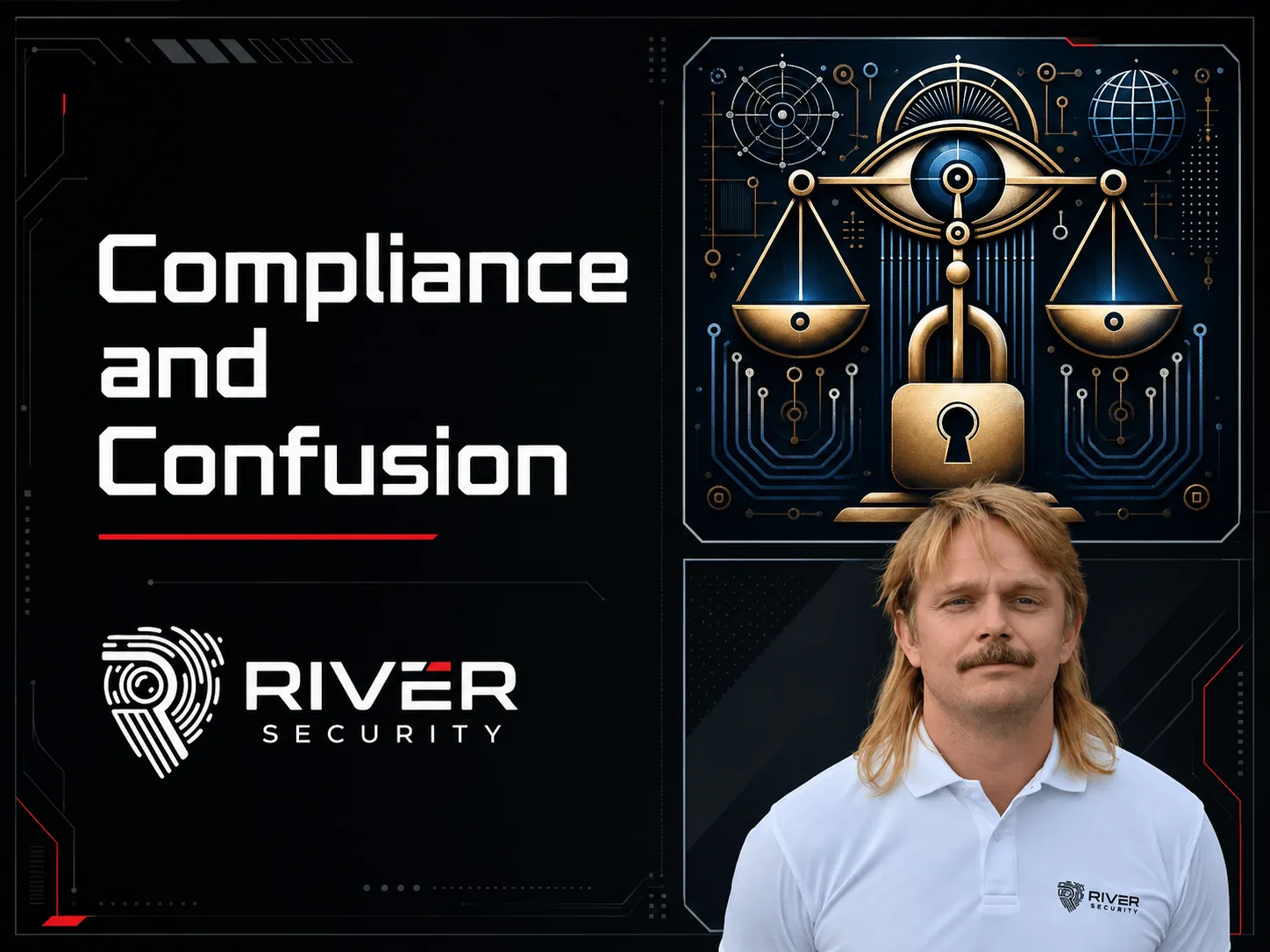
Guide to Navigate the Most Common Frameworks and Regulations for Cyber Security
In this comprehensive guide I will go through the most common frameworks and regulations for Cyber Security, as there might be some confusion in how t…
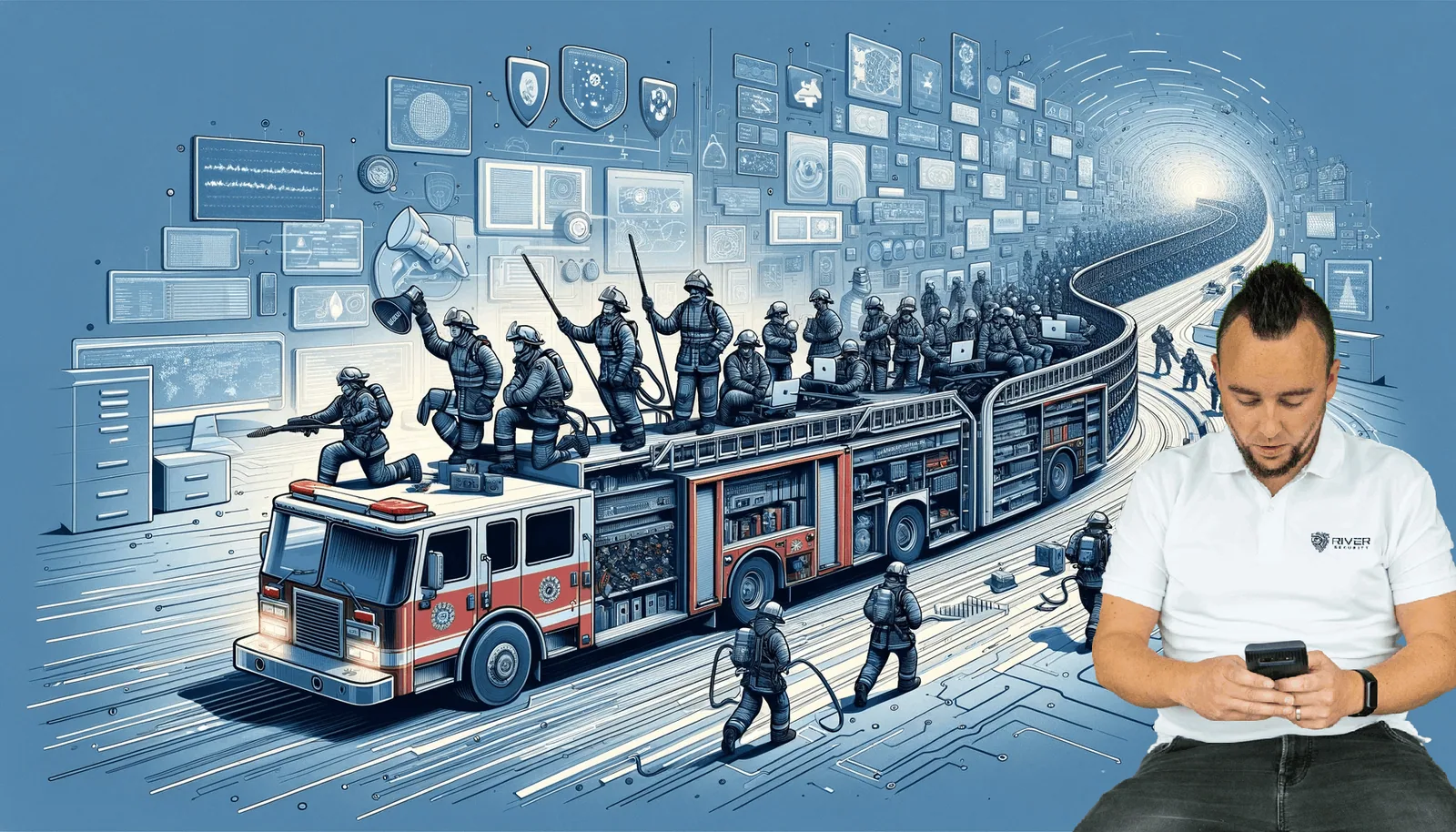
Ethical Considerations in Incident Response
Ethical considerations in incident response, especially when dealing with sensitive data and disclosing information about security breaches, are param…
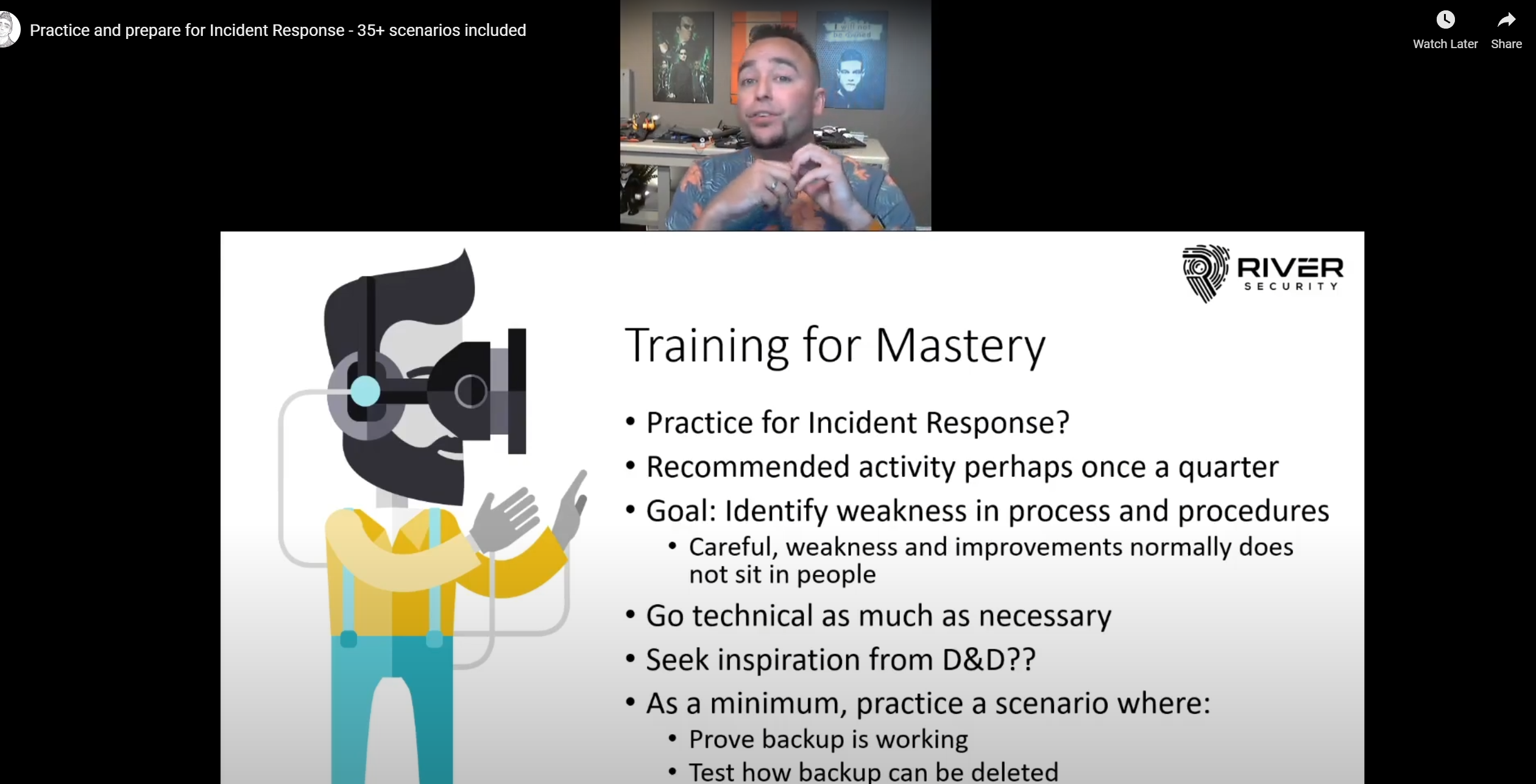
Incident Response – Practicing and Gamification
I recently published a video on YouTube on the aspect of practicing Incident Response scenarios, applying elements of gamification and planning out ho…